
Single-Leg Takedown
Also known as single leg, ashi dori, leg attack
A takedown family that isolates one leg and finishes through running, lifting, tripping, or changing direction.
At a glance
- Family
- Takedown
- Format
- Gi & no-gi
- Level
- Fundamental
- Connections
- 4 techniques
Concept
What it is
The single leg controls one of the opponent's legs while the attacker uses head position, hand connection, and footwork to remove the remaining posts. It includes low, mid, high-crotch, sweep-single, and run-the-pipe families.
Jiu-jitsu adds submission and guard considerations. Attackers must protect the neck from front headlocks and should finish in a way that limits immediate guard entries. The single leg also appears constantly as a wrestle-up from seated and half guard.
Core mechanics
Key principles
- Connect head, hands, and shoulder to the captured leg.
- Keep posture strong enough to resist front-headlock pressure.
- Move the opponent's upper body and standing foot in different directions.
- Transition between finishes instead of holding a stalled leg.
System map
How it connects
Jiu-jitsu techniques work in sequences. These are common conceptual routes in, productive next steps, and the defensive priorities that shape the exchange.
Common entries
Hand fight
Create an angle outside the opponent's lead arm.
Wrestle-up
Rise from guard while keeping the near leg connected.
Arm drag
Expose the near hip and drop to the leg as the opponent squares.
Next actions
Run the pipe
Turn the captured knee while removing the opponent's standing base.
Double leg
Collect the far leg when the opponent squares and lowers their hips.
Back control
Climb behind the hips when the opponent turns away.
Defensive priorities
Head position
Put your head above and inside the attacker's head.
Whizzer
Use an overhook and hip pressure to prevent the attacker from climbing.
Free the knee
Turn the captured knee toward open space while hand fighting.
Competition connections
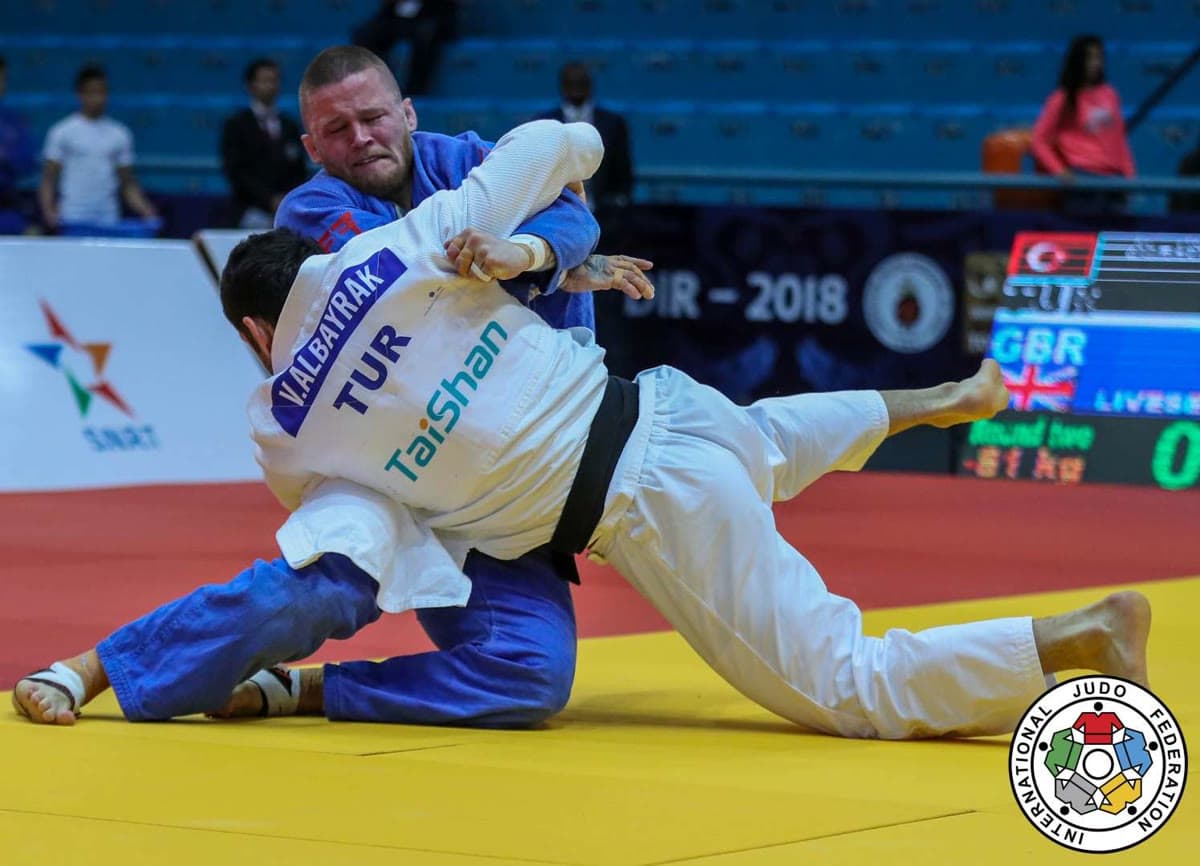
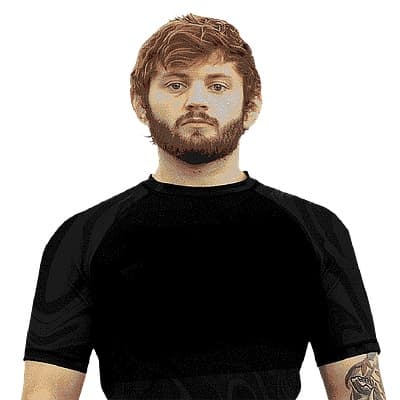
Athletes associated with Single-Leg Takedown


Keep exploring
Related techniques
Transition
Wrestle-Up
A guard-to-standing transition that keeps contact with a leg or body lock and converts bottom position into a takedown or top position.
Takedown
Double-Leg Takedown
A leg attack that changes level, connects to both legs, and drives or turns the opponent to the mat.
Submission
Guillotine Choke
A front-headlock submission family that wraps the opponent's neck and controls posture from standing, guard, or top position.
Position
Back Control
A dominant rear position that controls the opponent's hips and upper body while exposing high-percentage choking attacks.
Rules and reference sources
Rules evolve. The official organizer documents below are the source of truth for competition legality; the guide above explains the technique conceptually.