
Body-Lock Pass
Also known as double-under body lock, locked-hands pass
A close-range no-gi pass that locks around the torso or hips to compress seated guards, pin the knees, and climb to upper-body control.
At a glance
- Family
- Guard pass
- Format
- No-gi
- Level
- Intermediate
- Connections
- 4 techniques
Concept
What it is
Body-lock passing closes distance against seated and butterfly guards. The passer connects the hands around the waist or hips, keeps the head and shoulders aligned, and uses chest pressure to prevent the guard player from freely extending hooks.
The pass is a system of incremental wins: flatten the hips, clear one knee line, occupy the half-guard channel or step around the legs, then climb to shoulder control. The lock is valuable because no-gi offers fewer durable cloth grips.
Core mechanics
Key principles
- Connect the hands low enough to control the hips.
- Keep the elbows inside the guard player's knees.
- Use head position to stop the shoulders from turning freely.
- Clear one knee at a time while maintaining chest pressure.
System map
How it connects
Jiu-jitsu techniques work in sequences. These are common conceptual routes in, productive next steps, and the defensive priorities that shape the exchange.
Common entries
Butterfly guard
Pummel inside the hooks and lock around the waist as the guard sits upright.
Seated guard
Close distance behind head position before the opponent establishes frames.
Half guard
Connect around the hips once the knee shield is collapsed.
Next actions
Half-guard pass
Flatten the hips and free the trapped knee with upper-body control intact.
Side control
Walk past the knees and climb the lock toward the shoulders.
Back exposure
Follow the far hip when the guard player turns to prevent the pass.
Defensive priorities
Frames at shoulders
Keep the passer's chest away before their hands connect.
Butterfly elevation
Use inside hooks to lift or redirect while the passer's base is narrow.
Hip angle
Turn onto a side so the passer cannot compress both knees at once.
Competition connections
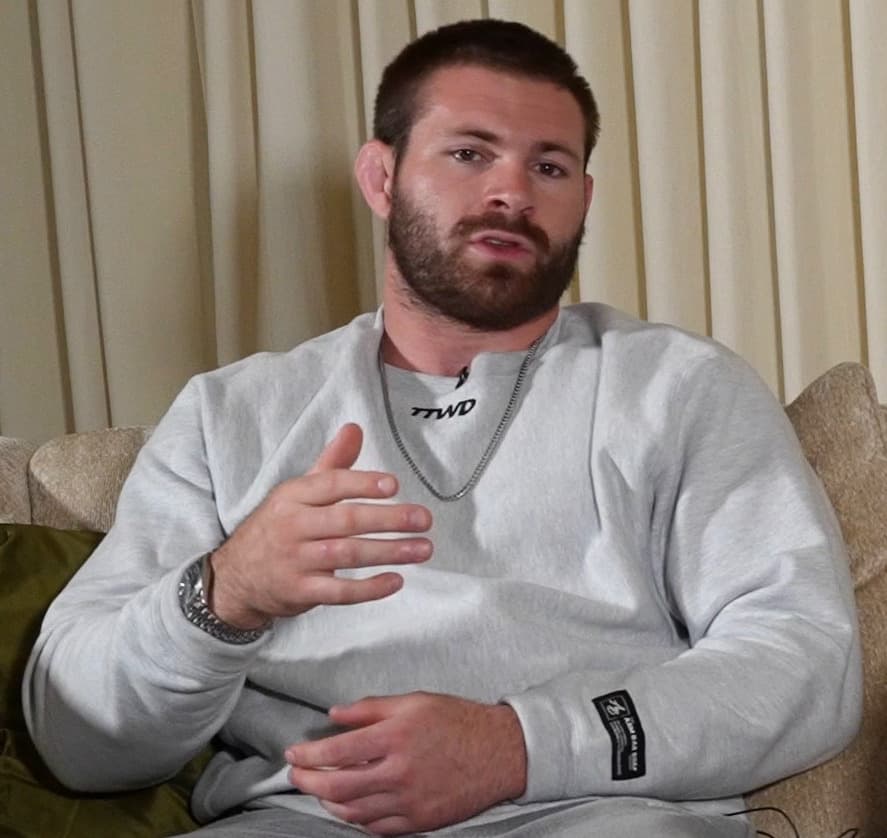
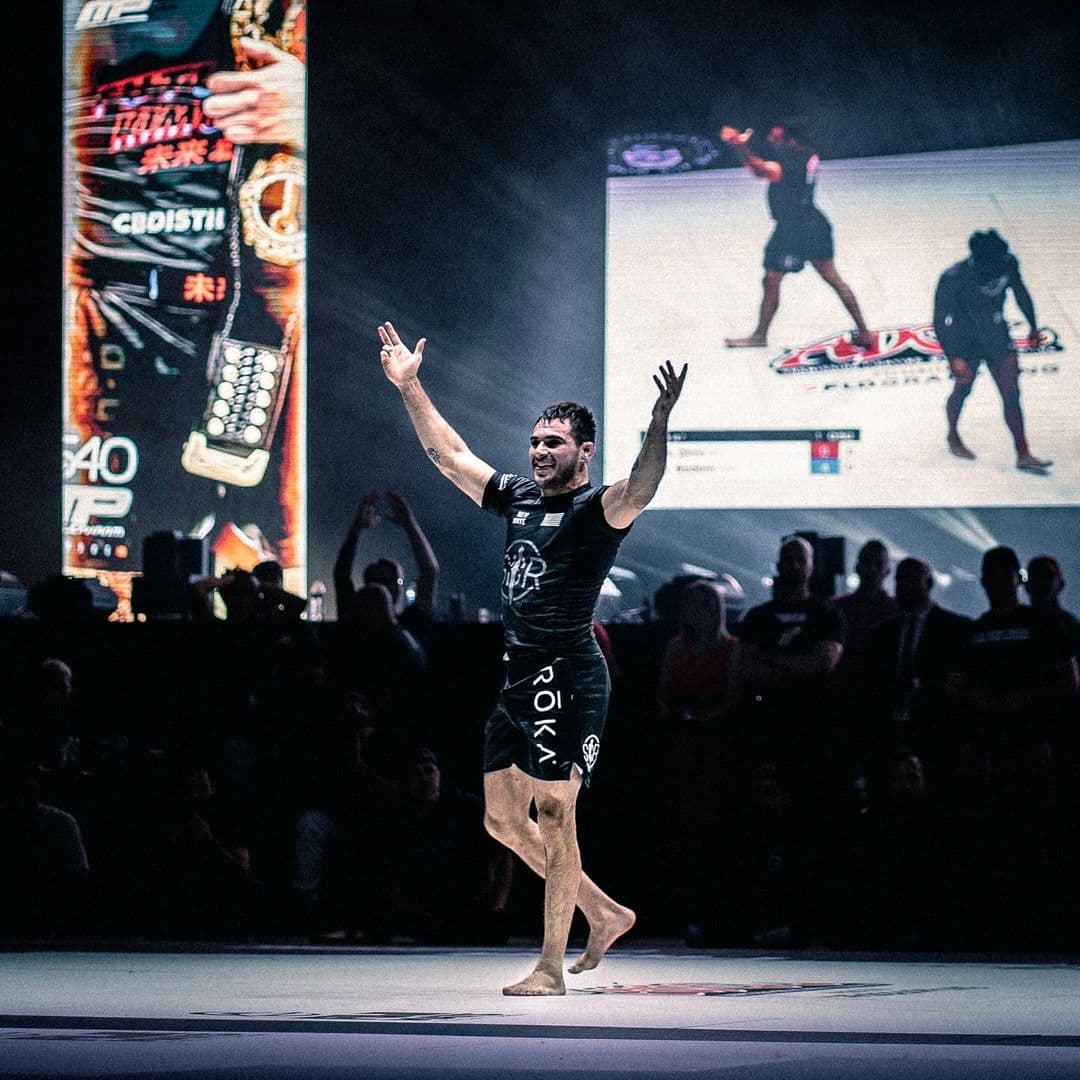
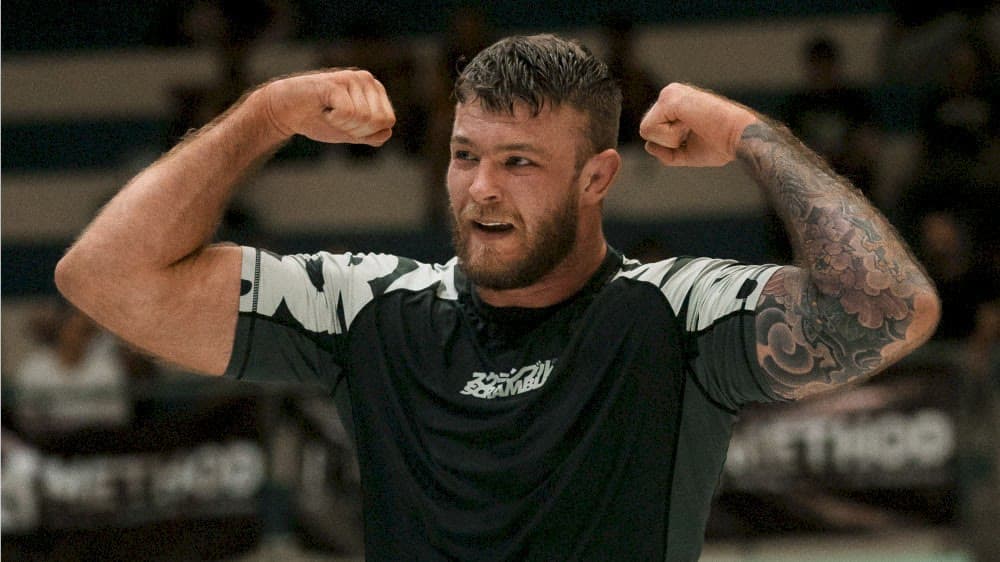
Athletes associated with Body-Lock Pass
Keep exploring
Related techniques
Guard
Butterfly Guard
A seated inside-position guard that uses instep hooks, upper-body connection, and off-balancing to sweep or enter the legs.
Guard
Half Guard
A versatile guard family built around controlling one of the top player's legs while fighting for inside position, sweeps, or recovery.
Position
Side Control
A top pin across the opponent's torso that controls the shoulders and hips while opening routes to mount, back control, and submissions.
Position
Back Control
A dominant rear position that controls the opponent's hips and upper body while exposing high-percentage choking attacks.
Rules and reference sources
Rules evolve. The official organizer documents below are the source of truth for competition legality; the guide above explains the technique conceptually.