
Side Control
Also known as side mount, cross side, yoko shiho gatame
A top pin across the opponent's torso that controls the shoulders and hips while opening routes to mount, back control, and submissions.
At a glance
- Family
- Position
- Format
- Gi & no-gi
- Level
- Fundamental
- Connections
- 4 techniques
Concept
What it is
Side control is a family of pins in which the top player lies across or beside the defender instead of between their legs. Crossface-and-underhook, reverse side control, scarf hold, north-south, and modified judo pins all solve different control problems.
The position works by separating the defender's elbows from their knees and turning the head, shoulders, or hips away from the direction of escape. Good control is mobile: the top player changes pinning configuration as frames appear.
Core mechanics
Key principles
- Separate the near elbow from the near knee.
- Control both shoulder rotation and hip movement.
- Distribute weight through contact points rather than resting on the mat.
- Move to another pin before a frame becomes structurally strong.
System map
How it connects
Jiu-jitsu techniques work in sequences. These are common conceptual routes in, productive next steps, and the defensive priorities that shape the exchange.
Common entries
Guard pass
Clear the legs and establish upper-body control before chasing submissions.
Takedown
Follow the opponent to the mat while preventing a guard recovery.
Scramble
Settle chest-to-chest once the hips are no longer facing you.
Next actions
Mount
Control the far elbow and advance the knee across the torso.
Kimura
Isolate a bent arm as the defender frames or turns.
Arm triangle
Move an arm across the neck and follow toward mount or the far side.
Defensive priorities
Frames
Build skeletal structure at the neck and hip before pushing.
Hip escape
Turn onto a side and create the space needed to insert a knee.
Underhook recovery
Win inside arm position to turn toward the knees or a wrestle-up.
Competition connections
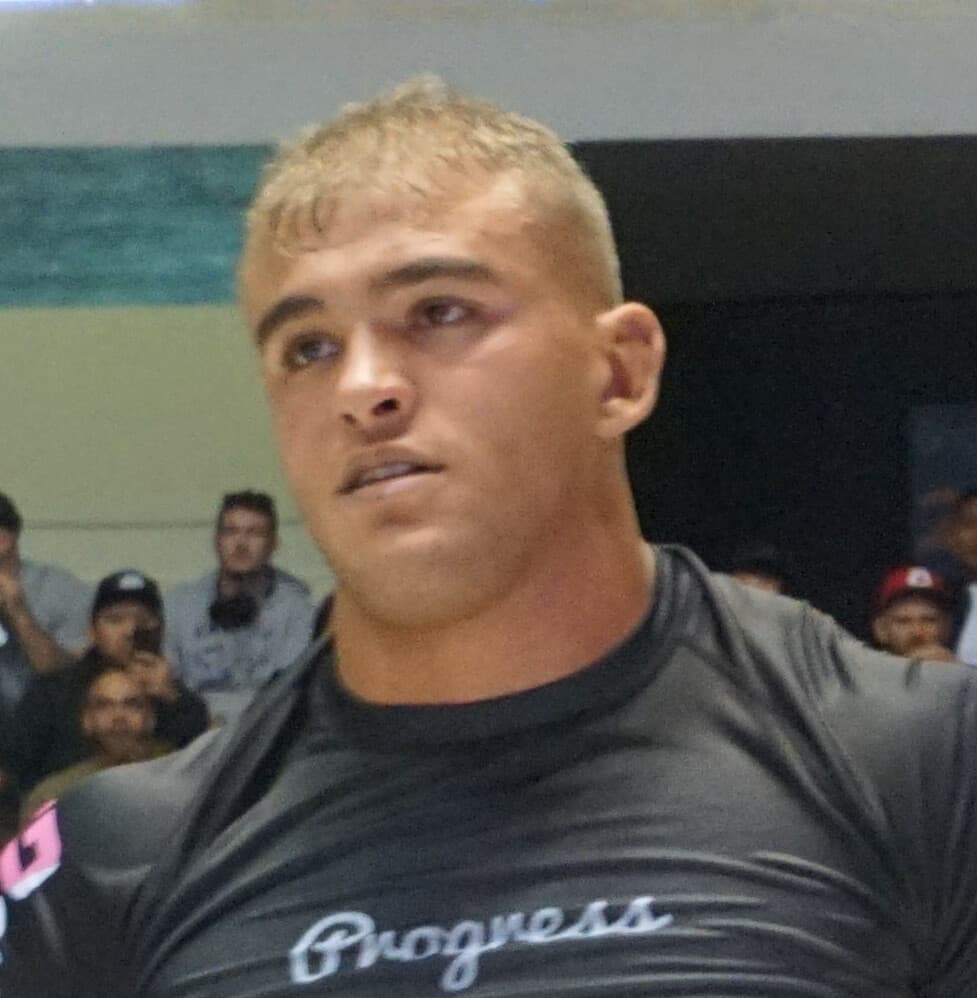
Athletes associated with Side Control



Keep exploring
Related techniques
Position
Mount
A dominant top position in which the attacker straddles the opponent's torso to control movement and isolate the arms or neck.
Submission
Kimura
A bent-arm shoulder lock and control grip used to submit, sweep, pass, take the back, or restrain the upper body.
Submission
Arm-Triangle Choke
A head-and-arm strangle that traps one of the defender's shoulders against their neck while the attacker closes the opposite side.
Pass
Knee-Cut Pass
A pressure pass that drives one knee across the opponent's thigh while controlling the upper body and clearing the hips.
Rules and reference sources
Rules evolve. The official organizer documents below are the source of truth for competition legality; the guide above explains the technique conceptually.