
Closed Guard
Also known as full guard, guarda fechada
A foundational guard in which the bottom player closes their legs around the opponent to control posture and build sweeps or submissions.
At a glance
- Family
- Guard
- Format
- Gi & no-gi
- Level
- Fundamental
- Connections
- 4 techniques
Concept
What it is
Closed guard is one of jiu-jitsu's central control positions. The bottom player connects their legs behind the top player's body, then combines posture control, angle changes, grips, and hip movement to prevent clean disengagement.
The position is a platform rather than a single attack. Its strongest sequences make the opponent choose between recovering posture, posting a hand, or exposing an arm and neck. In gi, collars and sleeves add control; in no-gi, head position, underhooks, wrist control, and overhooks become more prominent.
Core mechanics
Key principles
- Break posture before attacking isolated limbs or the neck.
- Create an angle with the hips instead of staying square beneath the opponent.
- Use the legs and upper-body grips as one connected control system.
- Open the guard intentionally into an attack or retention structure.
System map
How it connects
Jiu-jitsu techniques work in sequences. These are common conceptual routes in, productive next steps, and the defensive priorities that shape the exchange.
Common entries
Guard pull
Connect to the torso and sit into a closed leg position with posture already controlled.
Mount escape
Recover a knee line and re-close the legs after creating space from bottom mount.
Open-guard recovery
Use frames and hip movement to bring the opponent back between the legs.
Next actions
Triangle
Use a posting arm or overcommitted elbow to isolate one arm inside the leg configuration.
Armbar
Control posture and rotate the hips across an isolated arm.
Hip-bump sweep
Exploit an upright or backward-moving opponent to come on top.
Defensive priorities
Posture
Align the head over the hips and rebuild inside hand position before opening the legs.
Elbow discipline
Keep the elbows connected and avoid leaving one arm isolated across the centerline.
Structured opening
Create a stable base and open the ankles without exposing the neck or arms.
Context
History and naming
Closed-guard fighting became one of the clearest visual signatures of Brazilian jiu-jitsu during its early vale-tudo and mixed-rules exposure.
Competition connections
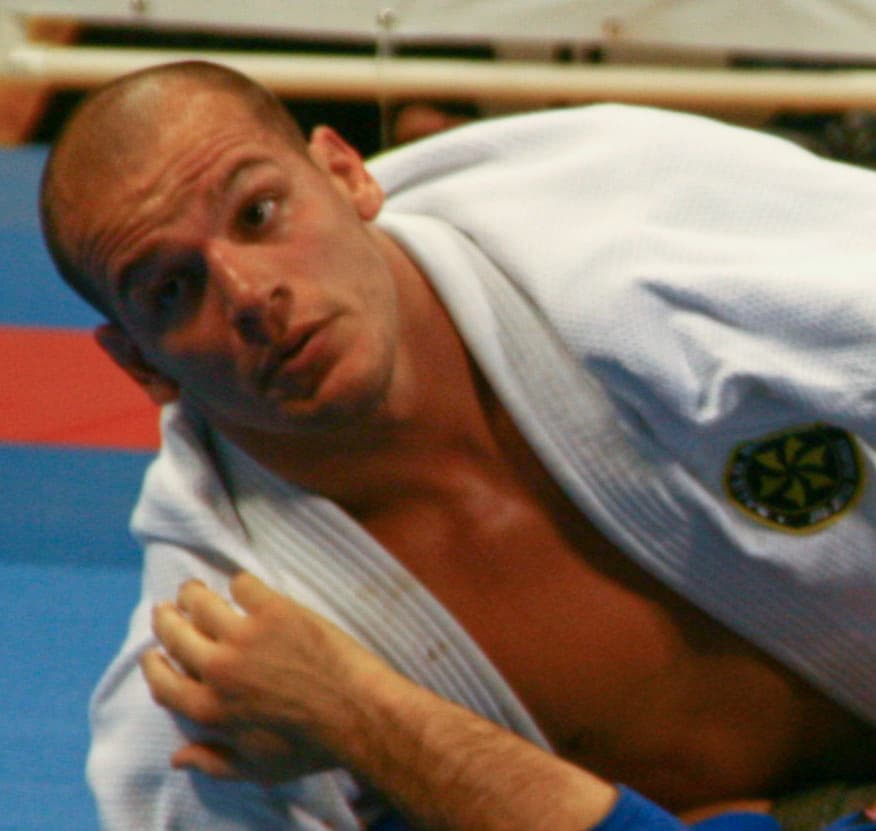
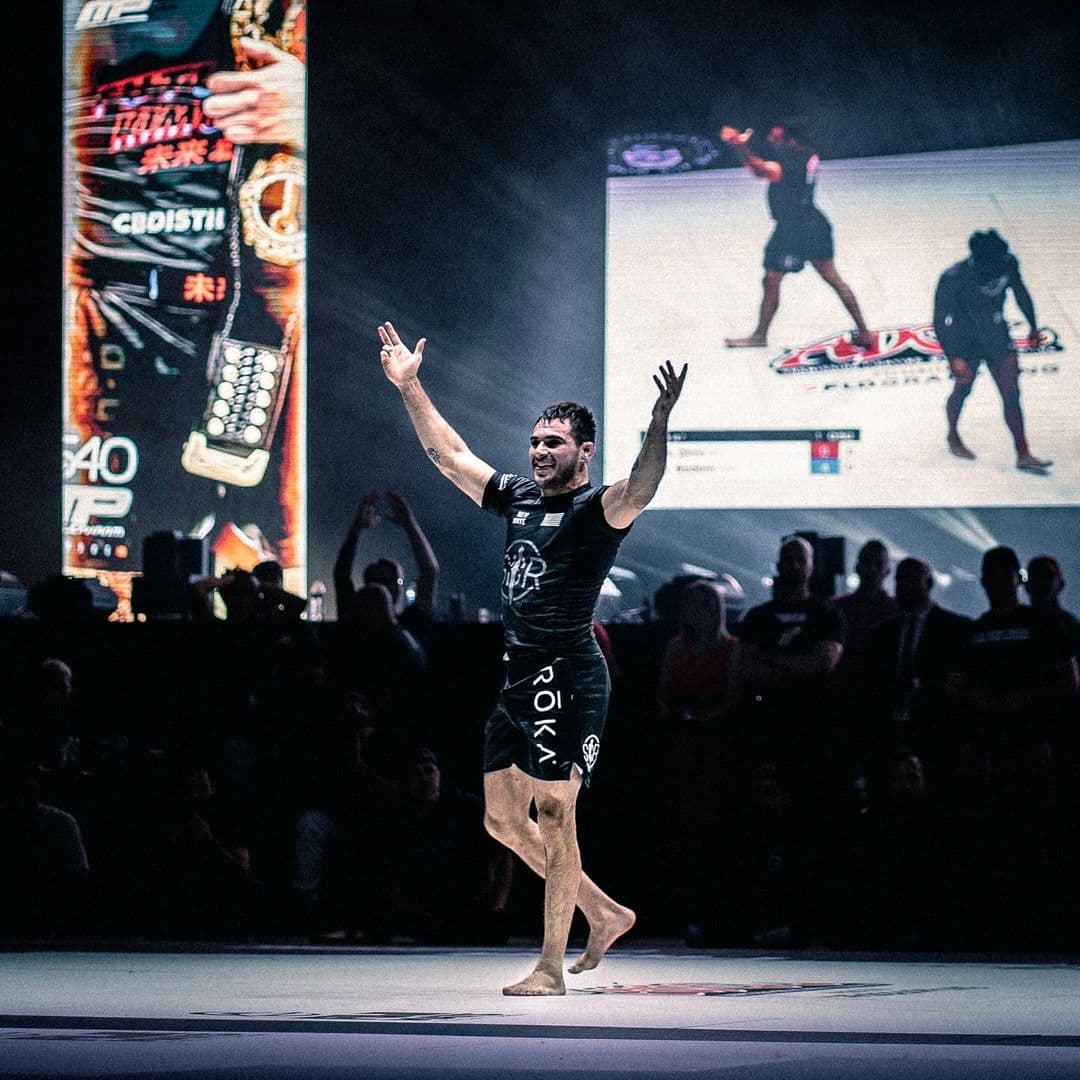
Athletes associated with Closed Guard


Keep exploring
Related techniques
Submission
Triangle Choke
A leg strangle that traps the neck and one arm inside a triangular leg configuration.
Submission
Armbar
A straight armlock that controls the shoulder and wrist while using the hips as the fulcrum against the elbow.
Submission
Omoplata
A shoulder lock and sweeping position that wraps the legs around an isolated arm while the attacker rotates beside the opponent.
Position
Mount
A dominant top position in which the attacker straddles the opponent's torso to control movement and isolate the arms or neck.
Rules and reference sources
Rules evolve. The official organizer documents below are the source of truth for competition legality; the guide above explains the technique conceptually.